Oakland became a borough in 1902 and spreads over about 8.77 square miles of the Ramapo valley, with 12,748 people at the 2020 Census. It is a town of houses: the borough's Round 4 housing plan, using 2023 Census estimates, counts 4,687 homes, and 91.0% of them are single-family detached. More than nine in ten are owner-occupied.
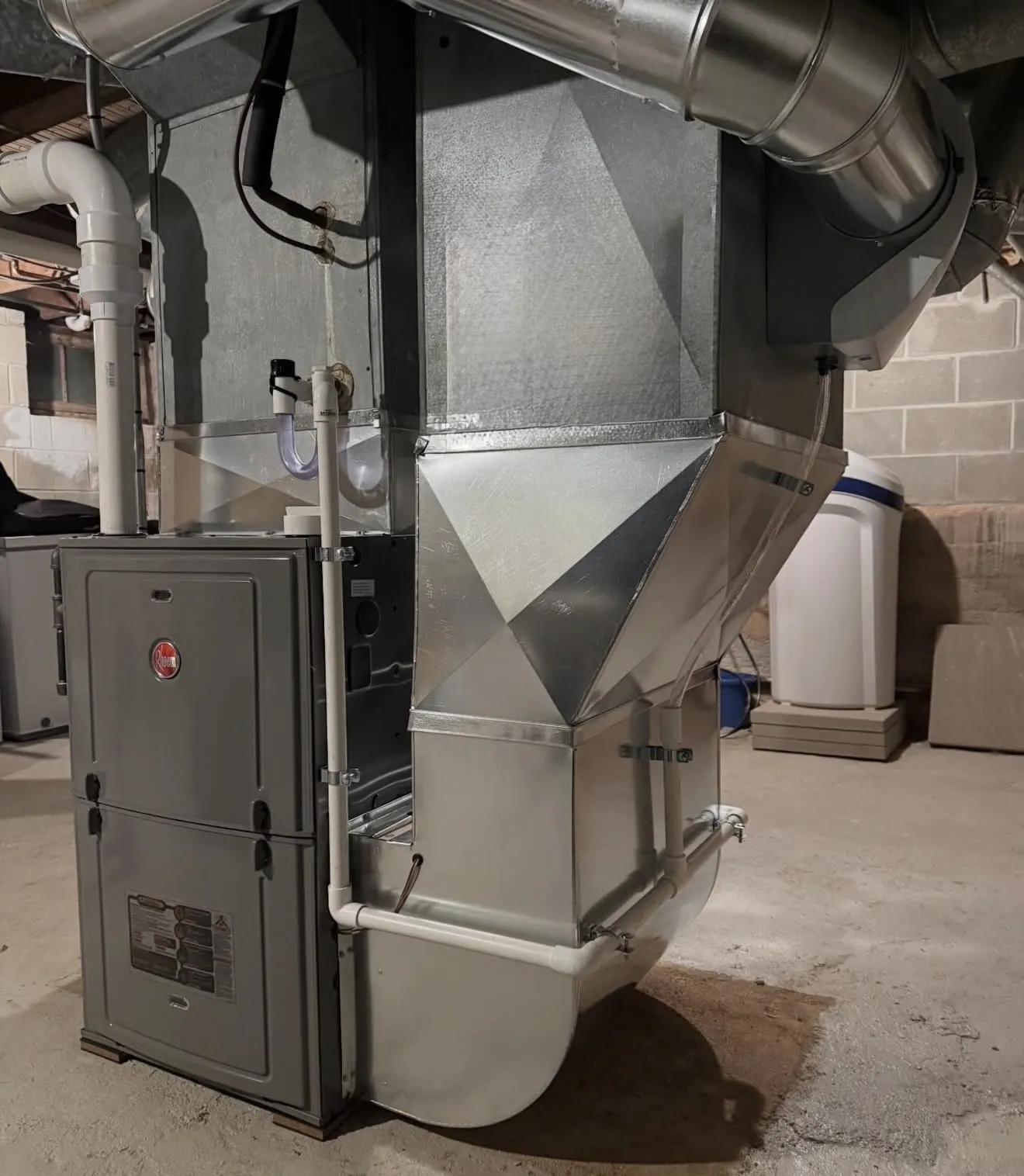
Most of that housing went up after the war. In the same table, 41.4% of homes were built from 1940 to 1959 and 31.3% from 1960 to 1979, with 9.1% older still. Only 2.0% date from 2010 to 2019. A house from the 1950s or 1960s has usually had its furnace or boiler replaced at least once, but the supply and drain piping behind it is often original, and that is where leaks and slow drains start. Our furnace and boiler and heating pages cover replacements in houses of that age.
The other thing that sets Oakland apart is underground. With most homes on septic, what goes down the drains matters more than in a sewered town. Grease and wipes that would clog a sewer lateral elsewhere can also stress a septic system here. We handle the plumbing inside the house, from fixtures and water heaters to drain cleaning on the house side; the tank and field are a septic contractor's work, not ours.
PSE&G supplies electricity and gas in Oakland. Its work stops at the meter. Piping on the house side belongs to the owner, and that is where a new range, a dryer or an oil-to-gas conversion (where gas is available on your street) calls for gas line work.